Publish On: Sunday, August 2, 2026
Sellers in Chandler, AZ: How to Set an Asking Price in August 2026
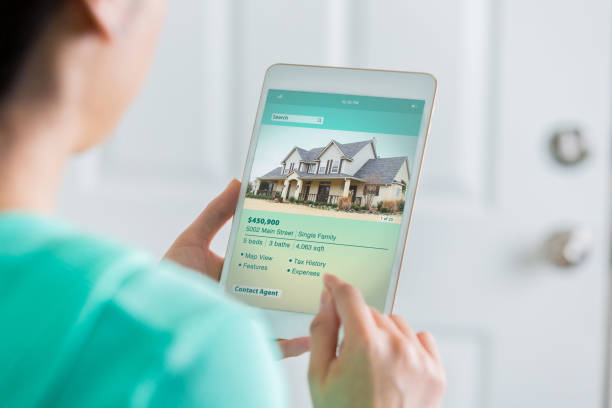
Chandler, AZFor a Chandler homeowner preparing to sell, the most useful pricing question is what buyers can compare today with what actually sold recently. I would not set an asking price from a single automated estimate or an appealing neighboring listing. Instead, I would examine closed sales, active competition, pending activity, condition, and the home's specific features together. The goal is not merely to choose a number that sounds attractive. It is to establish a position that invites serious attention while protecting your negotiating strategy when buyers begin comparing options.
June closed listings posted a median sold price of $545,000 across 271 properties. The average list-to-sale price result for those sales was 98.57%. June active listings had a median list price of $561,000 and totaled 792 properties. The median time on market for active listings was 53 days. New June listings had a median list price of $549,990 across 331 properties. June pending listings had a median list price of $532,000. The pending group totaled 156 properties and had a median time on market of 28 days. The June inventory measure was 3.29 months, with a 12.67% monthly increase. The figures combine single-family homes with condominium, townhouse, and apartment properties. The reported periods are useful for positioning, but they do not appraise an individual home.
The relationship between closed prices and active asking prices gives sellers a useful starting framework. A strong list-to-sale result does not mean every property will attract the same buyer response. The larger active group means buyers can compare more alternatives before choosing a home. Pending timing may help identify the kinds of listings receiving decisions sooner, without revealing private terms. Property condition and presentation can materially affect how a home competes within these broad categories. A pricing decision should balance desired proceeds with the risk of becoming less compelling than nearby alternatives. The best price is evidence-based and specific to the home, not simply copied from a citywide median.
Separate truly comparable closed sales from homes that differ meaningfully in condition or design. Study current competition at the same time you review sold properties, because buyers see both. Identify improvements that deserve attention and distinguish them from changes unlikely to affect positioning. Choose a launch price that supports your timing, negotiation goals, and tolerance for market exposure. Prepare a review point before listing so you can evaluate showing activity without reacting emotionally. Use feedback from qualified buyers as information about presentation and positioning, not as an automatic command. Build the pricing conversation around evidence you can explain clearly to every decision-maker involved.